
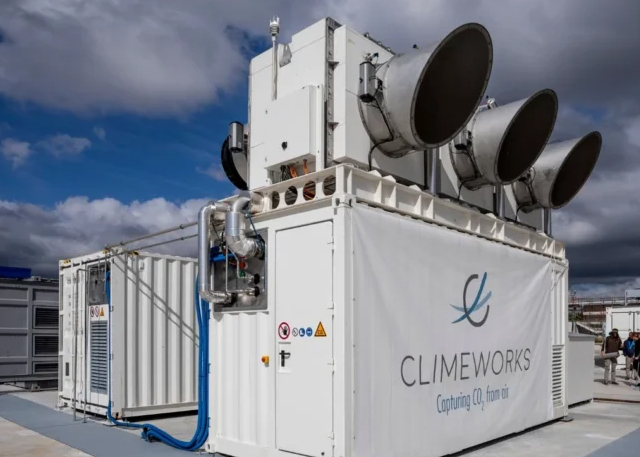
In a groundbreaking move toward climate action and environmental innovation, the Saudi Ministry of Energy has officially launched the country’s first Direct Air Capture (DAC) unit in Riyadh. The new facility represents a key milestone in the Kingdom’s efforts to scale up carbon removal technologies and meet its ambitious climate commitments under the Saudi Green Initiative and Vision 2030.
Pioneering Carbon Removal in the Middle East
The DAC unit, the first of its kind in Saudi Arabia, is designed to extract carbon dioxide (CO₂) directly from the atmosphere using advanced filtration and chemical processes. Once captured, the CO₂ can either be stored underground or reused in various industrial applications, such as synthetic fuels or enhanced oil recovery.
The launch marks Saudi Arabia’s entry into the global race to develop scalable carbon removal technologies, which are increasingly recognized as essential tools to combat climate change, especially in hard-to-abate sectors like aviation, shipping, and heavy industry.
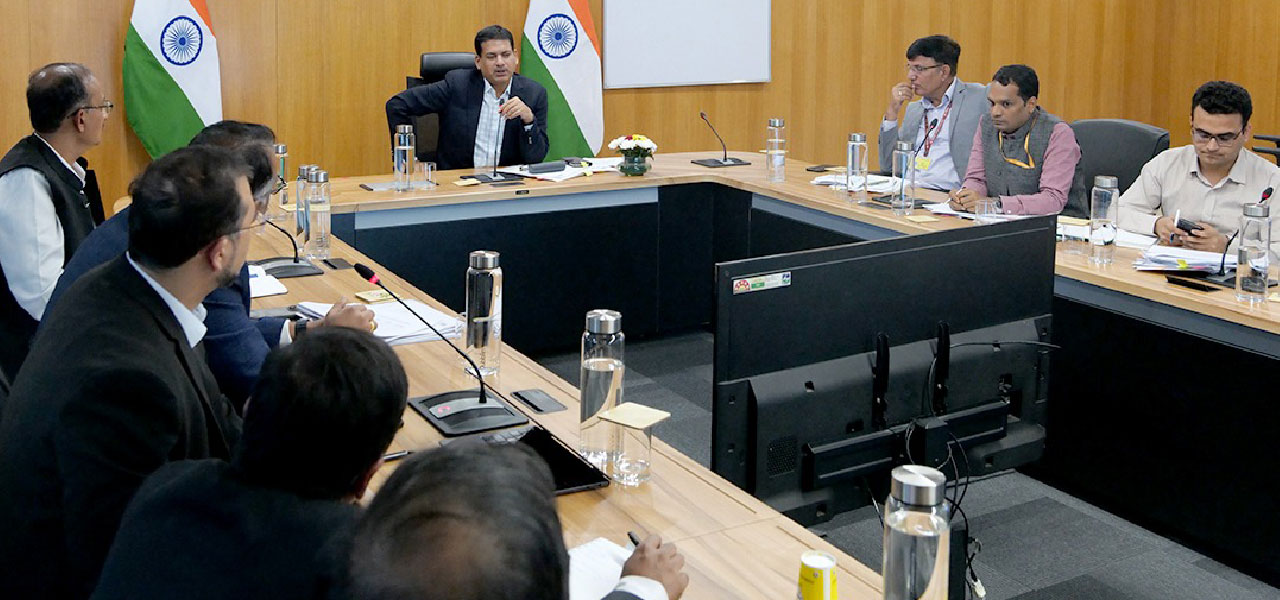
According to the Ministry of Energy, the project is part of a broader strategy to diversify energy sources, reduce greenhouse gas emissions, and invest in future-proof solutions. “This DAC unit is not just a technological demonstration—it’s a commitment to innovation, sustainability, and climate leadership,” said a ministry spokesperson during the launch event in Riyadh.
A Step Toward Net-Zero
Saudi Arabia, one of the world’s leading oil producers, has pledged to reach net-zero emissions by 2060. While the Kingdom continues to invest in renewable energy and energy efficiency, it also acknowledges the critical role of carbon removal in achieving its long-term climate goals. Direct Air Capture, along with Carbon Capture, Utilization, and Storage (CCUS), forms a central pillar of Saudi Arabia’s emissions reduction strategy.
The Riyadh DAC facility will initially capture a modest amount of CO₂—estimated at hundreds of tons per year—as it enters pilot-scale operations. However, the Energy Ministry has indicated plans to expand the technology in collaboration with international partners and local research institutions. The long-term objective is to scale up to megaton-level removal capacity across multiple sites in the Kingdom.
Regional and Global Implications
The establishment of the DAC unit positions Saudi Arabia as a regional leader in carbon management technologies. It follows similar initiatives in North America and Europe, where companies like Climeworks and Carbon Engineering have been developing commercial-scale DAC plants.
By investing in cutting-edge carbon removal infrastructure, Saudi Arabia is also signaling to global investors and policymakers that it intends to play a constructive role in climate mitigation—even as it continues to rely on hydrocarbons for economic development.
Challenges Ahead
Despite the promise of DAC technology, challenges remain. The process is energy-intensive and expensive, and questions persist about its scalability and cost-effectiveness compared to other carbon reduction methods. However, proponents argue that with continued innovation and investment, DAC costs will fall, much like solar and wind technologies have in recent years.
Conclusion
The launch of Saudi Arabia’s first Direct Air Capture unit in Riyadh marks a bold step toward climate innovation and carbon neutrality. As the Kingdom seeks to balance economic growth with environmental responsibility, pioneering projects like this DAC facility demonstrate a clear commitment to a sustainable future—one that leverages technology to meet global climate challenges head-on.