


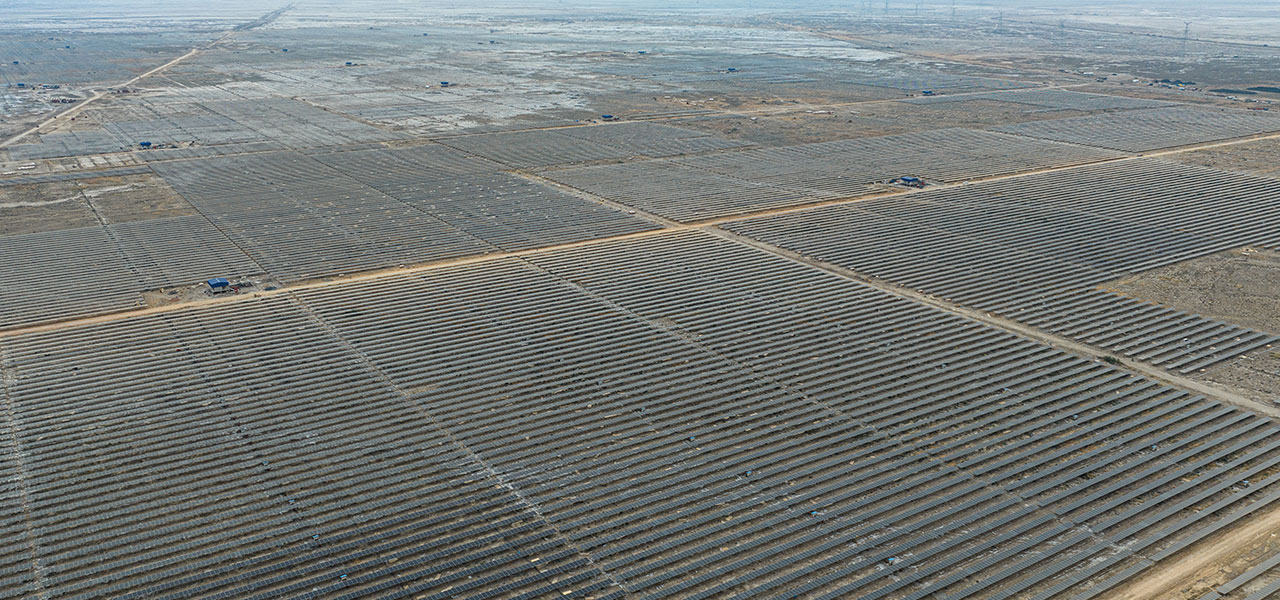
In a major boost to India’s transition toward round-the-clock renewable power, the Adani Group has formally entered the Battery Energy Storage System (BESS) space with a large-scale project at the Khavda Renewable Energy Park in Gujarat. The project — a 1,126 MW / 3,530 MWh installation — is among the largest single-site battery storage systems currently being built in the country.
Set to be commissioned by March 2026, the system will integrate more than 700 lithium-ion battery containers, equipped with advanced energy management technology designed to instantly respond to grid fluctuations and support renewable energy during peak demand hours.
A Strategic Investment in Energy Security
The BESS project aims to ease transmission bottlenecks and improve grid stability — both critical as India ramps up its solar and wind capacity. Adani says the facility will help supply dependable clean energy throughout the day, addressing one of the most significant challenges of renewable power integration.
Big Expansion Plans Ahead
This marks only the beginning of Adani’s larger ambitions in the storage space. The group has outlined plans to develop 15 GWh of additional battery storage by March 2027, with a longer-term vision of achieving 50 GWh within five years, placing the company among the biggest storage players in Asia.
Why Khavda Matters
The Khavda renewable energy hub — already one of the world’s largest green power development zones — will now also serve as a flagship site for renewable-plus-storage integration. This strengthens India’s push toward a more reliable, flexible, and sustainable power system.
A Landmark for India’s Clean Energy Future
With this investment, the Adani Group is positioning battery storage as central to the country’s clean-energy expansion. The project underscores the growing recognition that renewables alone aren’t enough — storage is essential for India to meet its 24/7 energy needs without depending on fossil fuels.