


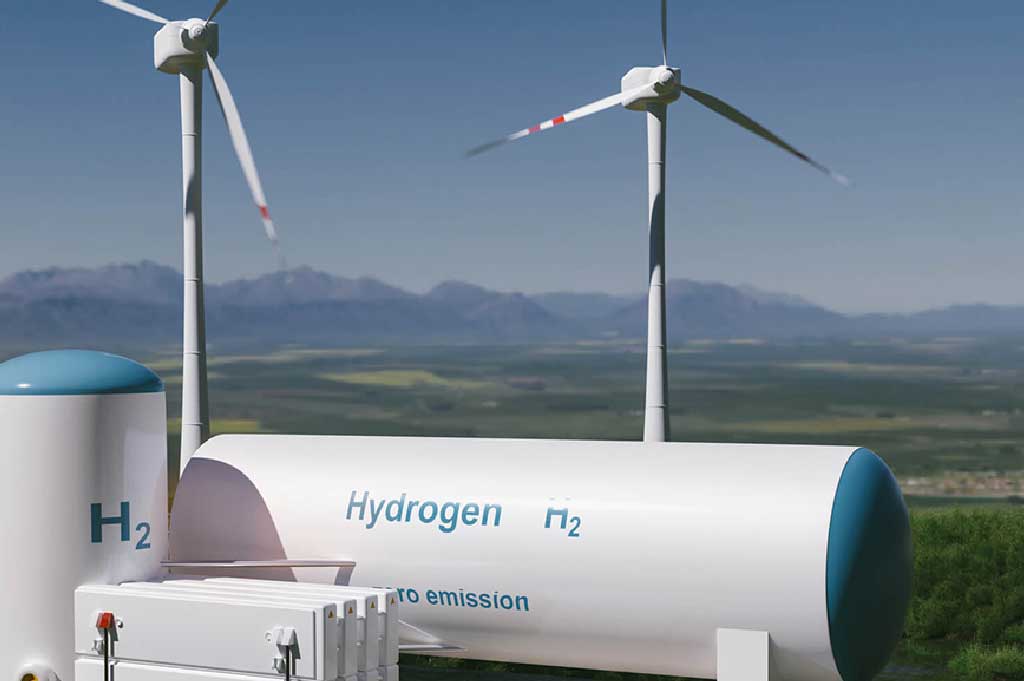
India is betting big on green hydrogen as the next major force shaping its clean-energy future. With rising energy demands, pressure to cut carbon emissions, and a desire to reduce reliance on fossil fuel imports, the country is moving swiftly to position green hydrogen as a transformative solution. What’s unfolding is not just an energy shift but the foundation of a new industrial and economic revolution.
Why Green Hydrogen Matters for India
Green hydrogen—created by splitting water using renewable electricity—emits no carbon when produced. For India, this technology is more than just a climate tool; it’s a pathway to energy independence and industrial transformation. Many sectors like steel, fertilisers, shipping, and heavy transportation cannot easily switch to renewable electricity alone. Hydrogen, however, can replace their fossil fuels without changing the way these industries operate.
The National Green Hydrogen Mission: A Roadmap for Leadership
The Indian government has laid out an ambitious plan through the National Green Hydrogen Mission. The objectives include:
- Producing millions of tonnes of green hydrogen annually by 2030
- Adding substantial renewable energy capacity to power electrolysers
- Supporting the domestic manufacturing of electrolysers
- Creating “green hydrogen hubs” for production, storage, and industrial use
- Encouraging both domestic consumption and the long-term goal of exporting hydrogen and green ammonia
This mission is backed by billions of dollars in investments and policy incentives to reduce production costs and build supply chains from scratch.
Investments and Innovations: India’s Clean Tech Momentum
India’s private sector has picked up the pace, with major companies entering the green hydrogen space:
- Energy companies are setting up large-scale hydrogen and ammonia plants
- Manufacturers are developing indigenous electrolysers
- Port authorities are piloting hydrogen-powered systems for operations
- Industrial players are testing hydrogen as a clean fuel for factories and transport fleets
These early steps are crucial—they act as test beds for scaling the technology and understanding the real-world economics of hydrogen production and use.
What Success Could Mean for the Country
If India’s green hydrogen strategy works, its benefits could spread across multiple fronts:
- Energy security by reducing dependence on oil, gas, and coal imports
- Massive job creation across engineering, infrastructure, manufacturing, and research
- Cleaner air and reduced carbon emissions from industries
- A new export opportunity, positioning India as a cost-effective producer for global markets
- Strengthened industrial competitiveness, especially in green steel and chemicals
Green hydrogen could become the backbone of India’s clean industrial economy—much like IT became the backbone of its digital economy.
The Challenges Still Ahead
Despite the promise, the road to widespread hydrogen adoption has bumps:
- Current production costs are still high
- Storage, transportation, and pipeline infrastructure is limited
- Demand from industries needs policy push and pricing support
- Certification standards must be established for global acceptance
- Skilled workers, engineers, and technicians must be trained at scale
Solving these challenges will require collaboration between government, industry, and research institutions.
A Glimpse at India’s Hydrogen-Powered Future
India’s push for green hydrogen is more than an environmental choice—it’s a strategic decision aimed at building a resilient, future-ready economy. With abundant sunshine, growing renewable capacity, and strong policy support, India has the ingredients to lead the world in affordable green hydrogen production.
If momentum continues, green hydrogen could soon fuel industries, transport systems, and even export markets—turning India into one of the global capitals of clean energy innovation.