


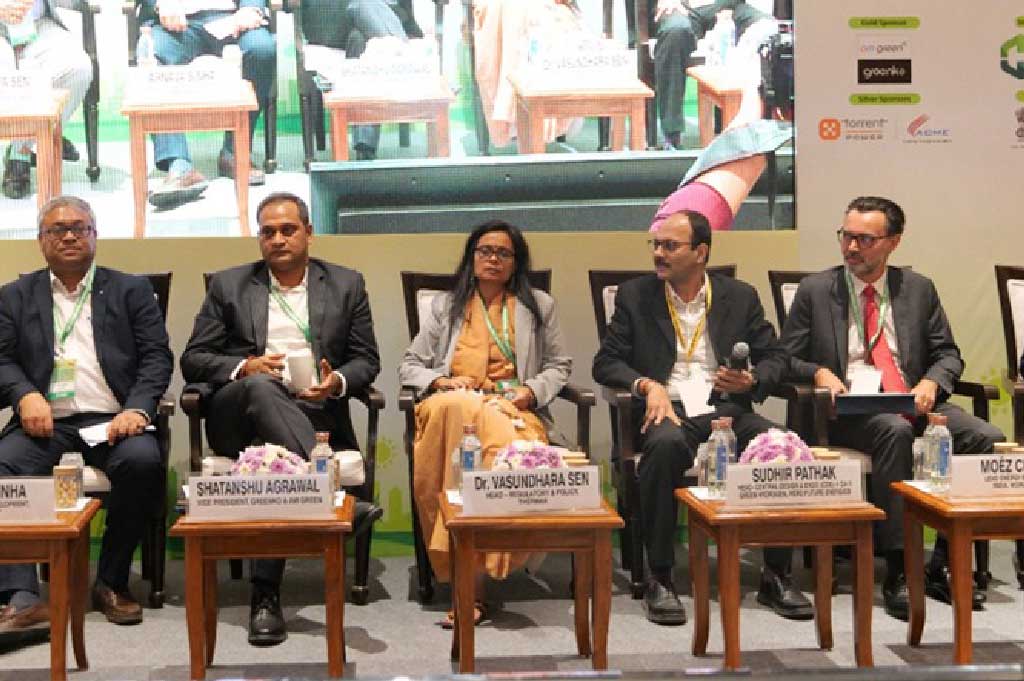
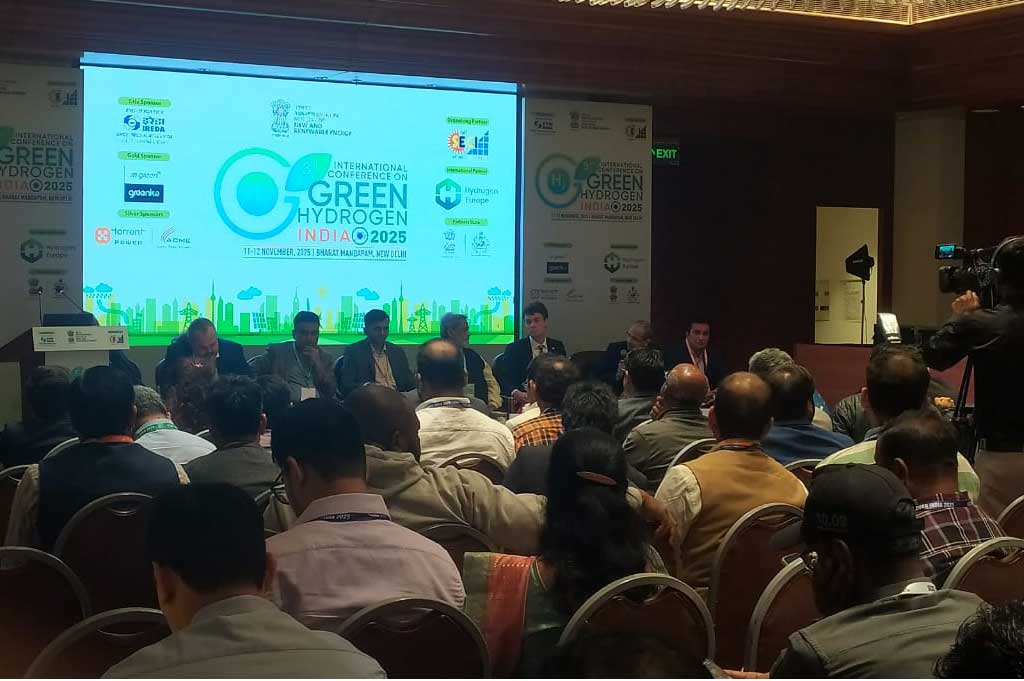
The International Conference on Green Hydrogen (ICGH) 2025, held on 11–12 November 2025 at the iconic Bharat Mandapam in New Delhi, proved to be one of the most defining clean-energy gatherings of the year. Over two days, the venue buzzed with energy as leaders from government, industry, research, and global climate alliances came together to reflect on one central question: How can the world accelerate the adoption of green hydrogen—and what role will India play in that future?
 A Conference with Purpose and Precision
From the moment the sessions began, it was clear that ICGH 2025 was designed not just as a knowledge-sharing platform but as a strategic meeting point to push the green hydrogen agenda forward. The keynote addresses from senior government officials set an assertive tone, signalling India’s readiness to scale hydrogen production, expand renewable capacity, and position itself as a global supplier in the decades ahead.
A Program Built for Real-World Impact
The conference agenda stood out for its balance of high-level vision and technical depth. Plenary sessions explored global hydrogen pathways, trade potential, and the investment climate, while parallel technical tracks dug into topics such as:
- hydrogen valleys and cluster development
- safety protocols and regulatory evolution
- certification and traceability systems
- biomass-based hydrogen pathways
- hydrogen mobility and fleet transition
- financing green hydrogen projects
For delegates, this structure created a well-rounded learning experience—broad enough for policymakers, detailed enough for engineers, and actionable enough for industry practitioners.
 Global Voices, Local Ambitions
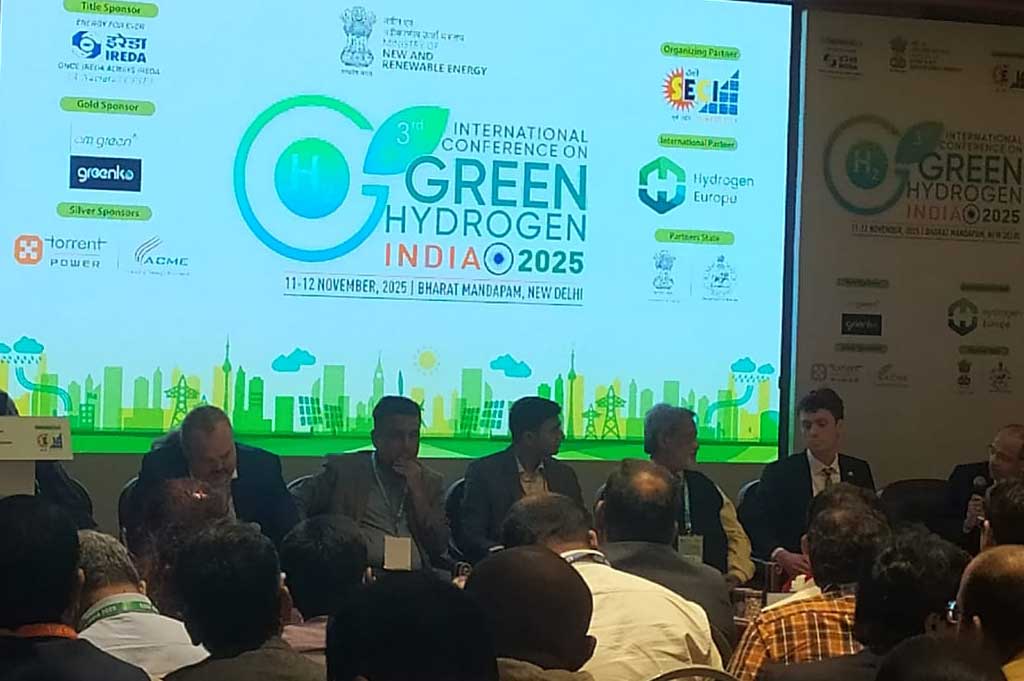
One of the strongest impressions of the event was the sheer diversity of international participation. Representatives from Europe, Asia, and global hydrogen alliances brought perspectives on technology, market readiness, and cross-border collaboration. Their engagement highlighted a growing recognition of India as not only a large prospective market but a future exporter of hydrogen and derivative fuels like green ammonia.
Innovation Takes the Stage
ICGH 2025 gave generous space to innovation—an element often missing in large policy forums. From university researchers showcasing electrolyser breakthroughs to startups presenting business models for hydrogen logistics, the exhibition floor acted as a live snapshot of the emerging hydrogen economy. This blend of early-stage ideas and industrial expertise gave the event an energetic, forward-looking flavour.
Where the Conference Excelled
- Clear policy direction from the government boosted confidence among investors and industry players.
- Rich, multidisciplinary discussions made the event accessible yet insightful for a wide range of stakeholders.
- Networking opportunities were woven seamlessly into the event design, allowing for meaningful collaboration.
Where Future Editions Could Grow
While the conference was comprehensive, two areas could enhance future editions:
- More representation from developing nations would bring broader global context and perspectives to the discussions.
- Announcement of concrete MoUs or pilot deployments during the closing session would lend additional weight to the outcomes.
A Turning Point for India’s Hydrogen Journey
For India, ICGH 2025 was more than just another climate conference—it was a stage to showcase ambition, capability, and leadership. The event underscored India’s increasing confidence in green hydrogen as a tool for economic growth, industrial competitiveness, and long-term decarbonisation.
Most importantly, the conference demonstrated that the green hydrogen conversation is shifting from “why” to “how soon.” With the energy transition gaining momentum, ICGH 2025 served as a timely reminder that India’s hydrogen revolution is not on the horizon—it has already begun.