


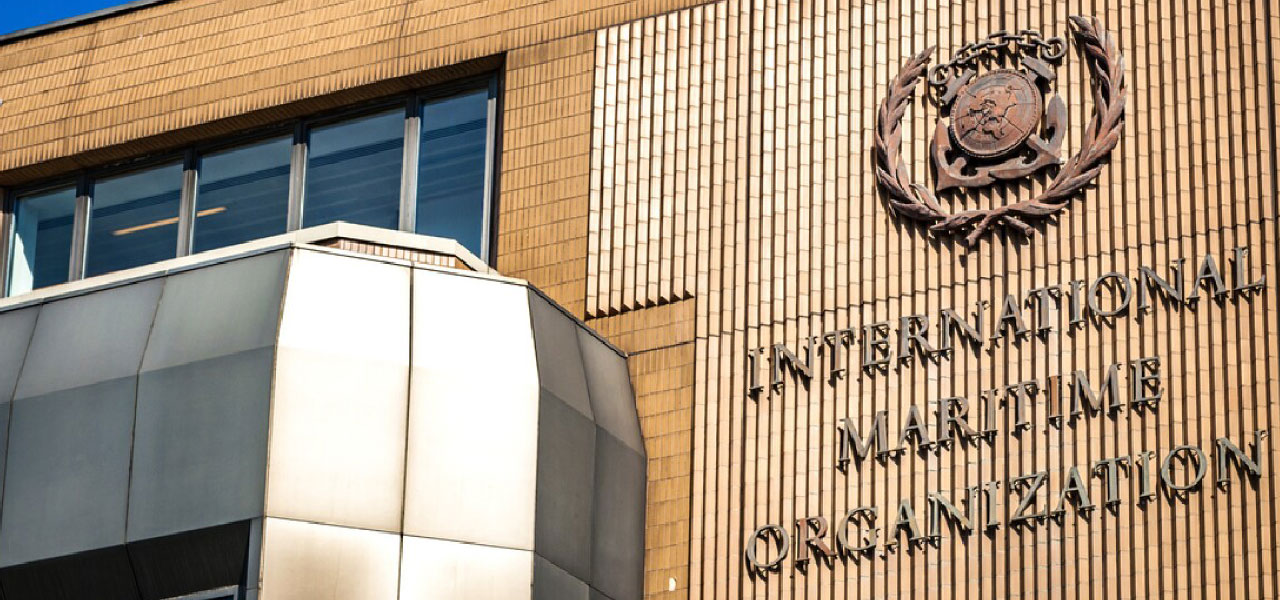
In a dramatic move ahead of a key United Nations vote, the United States on Friday threatened to impose visa restrictions and sanctions on nations that support a proposed global framework to slash carbon emissions from international shipping — a sector responsible for nearly 3% of global greenhouse gas emissions.
The vote, scheduled for next week, will take place within the International Maritime Organization (IMO), the U.N. agency responsible for regulating international shipping. At the heart of the debate is the IMO’s Net-Zero Framework proposal, which aims to create a binding global roadmap to decarbonize ocean shipping in line with the Paris Agreement and net-zero targets by mid-century.
The U.S. warning has sparked concerns among climate advocates, diplomats, and industry observers, raising tensions between climate ambition and geopolitical influence.
U.S. Opposition and Threats of Retaliation
According to diplomatic sources, U.S. officials have privately expressed strong opposition to the framework, citing economic and geopolitical concerns. On Friday, Washington publicly escalated its stance, threatening visa restrictions and targeted sanctions against countries voting in favor of the plan.
“This proposal, as currently drafted, risks destabilizing international trade, undermining national sovereignty, and placing undue burdens on our shipping industry,” a senior U.S. official said. “Countries considering support should be aware of the potential consequences.”
The move has drawn criticism from several quarters, with environmental groups accusing the U.S. of using economic coercion to block progress on climate action in a sector long considered difficult to decarbonize.
What’s in the IMO’s Net-Zero Framework?
The Net-Zero Framework under consideration seeks to implement mandatory measures that would:
- Cap carbon dioxide (CO₂) emissions from ocean-going vessels.
- Introduce a global carbon pricing mechanism or levy on shipping fuel.
- Require all new ships built after 2030 to be zero-emission or capable of carbon-neutral operation.
- Establish a just transition fund to support developing countries and small island nations in adopting clean maritime technologies.
With shipping responsible for transporting about 80% of global trade, the sector’s decarbonization is critical to achieving international climate goals. The IMO has come under increasing pressure to align its policies with the 1.5°C target outlined in the Paris Agreement.
Divided Industry Response
The global shipping industry is itself divided. Major container shipping lines, backed by investors and climate-focused coalitions, support a unified global framework to accelerate the transition to zero-emission fuels like green ammonia, methanol, and hydrogen.
However, some of the world’s largest oil tanker operators have voiced “grave concerns,” arguing that the proposal could inflate operating costs, disrupt global energy logistics, and unfairly disadvantage certain shipping segments.
“There is no question that we must decarbonize,” said a spokesperson for a leading container carrier. “But we need a level playing field. That means clear rules, global standards, and support for innovation—not threats of retaliation.”
Global Stakes and Geopolitical Overtones
The upcoming vote has become a litmus test for the international community’s resolve to address emissions from the shipping industry. It also underscores growing geopolitical fault lines around climate policy, as major economies balance environmental goals against national interests.
Observers say U.S. threats could sway smaller nations dependent on U.S. trade or aid, undermining support for the IMO framework.
“This is not just about ships or emissions,” said a European diplomat. “It’s about whether the world can act collectively to tackle one of the most transboundary sources of pollution — or whether climate action is held hostage by power politics.”
Looking Ahead
The IMO vote is expected early next week, with close margins predicted. If adopted, the Net-Zero Framework could represent a historic shift in maritime regulation, propelling investment into green technologies and reshaping global trade routes.
But if blocked — or watered down under pressure — it may signal a setback in international climate diplomacy, just weeks ahead of COP29 in Baku, Azerbaijan, where climate finance, equity, and ambition are already contentious topics.